Scientists at the National Scientific Medical Center (NNMC, Astana) are developing a biomedical cell product based on placenta and umbilical cord stem cells, as well as introducing methods for molecular genetic diagnosis of cancer. This was reported by the press service of the Ministry of Health of Kazakhstan.
Kazakhstani specialists are studying the ability of stem cells (immature cells capable of self-renewal) to regulate inflammatory processes in the body and protect tissues from damage. In addition, they are developing a lyophilization technology (removal of moisture from frozen material under vacuum conditions) to preserve the biological properties of the preparation.
The cell product can be used to treat diabetes mellitus, stroke consequences, heart failure, autoimmune diseases, infertility, and spinal cord injuries.
Fight against cancer
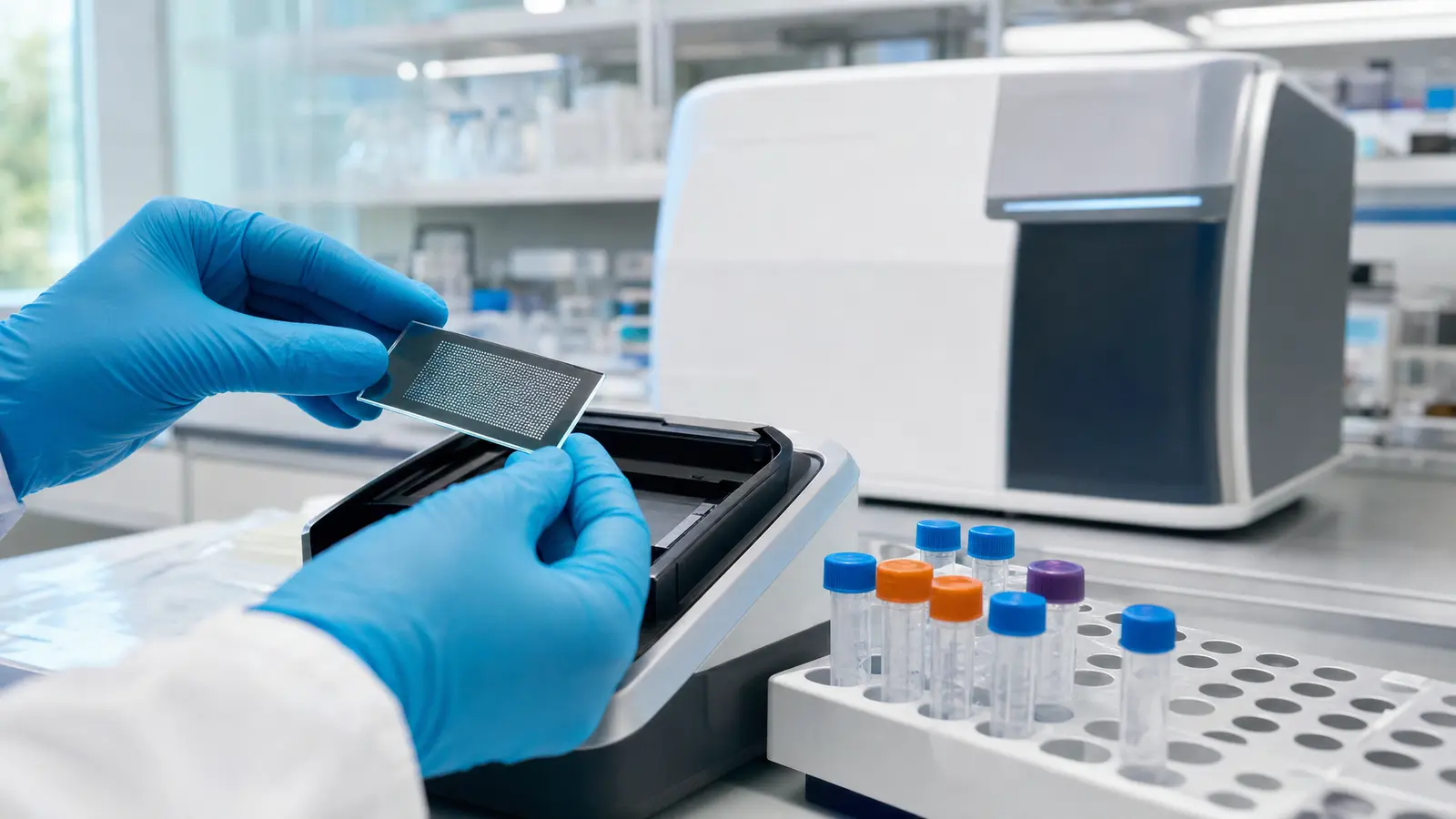
Another promising research area at the NNMC is molecular genetic diagnosis using DNA microarrays. This is a laboratory tool in the form of a glass, silicon, or plastic plate used together with a set of DNA fragments (probes).
Another method used at the center is next-generation sequencing (NGS, next-generation sequencing — parallel determination of the nucleotide sequence in DNA and RNA). With their help, specialists can identify genetic alterations in oncological diseases, as well as select personalized treatment.
The NNMC is interested in an accelerated transition from scientific developments to clinical practice, the Ministry of Health of Kazakhstan concluded.